
frameless mirror price
Professional Spirit Level Professionalism is a key component in any successful and fulfilling career. It is the steadfast commitment to maintaining high standards of conduct, efficiency, and expertise in one's work. This level of professionalism is often referred to as a spirit level – a measure of how well an individual embodies these qualities in their professional endeavors. A professional spirit level encompasses a variety of characteristics and behaviors that define a person's approach to their work. At its core, it involves a strong work ethic, dedication to excellence, and a willingness to go above and beyond to achieve success. Professionals who possess a high spirit level are often self-motivated, proactive, and take pride in their work. One of the key aspects of maintaining a professional spirit level is having a commitment to continuous learning and improvement. This involves staying up-to-date with industry trends, seeking out opportunities for professional development, and honing one's skills to stay relevant and competitive in the workplace. Professionals who are constantly seeking to improve themselves are more likely to excel in their careers and achieve their goals. Another important aspect of a professional spirit level is integrity and ethical behavior. This means being honest, transparent, and accountable in all professional interactions. Professionals with a high spirit level are trusted by their colleagues and clients because they consistently demonstrate integrity in everything they do professional spirit level . This trust is essential for building strong relationships and advancing in one's career. Additionally, professionals with a high spirit level are often excellent communicators. They are able to effectively convey ideas, collaborate with others, and build rapport with clients and colleagues. Clear and concise communication is key to success in any professional setting, and professionals who excel in this area are able to navigate complex situations and resolve conflicts with ease. Finally, maintaining a professional spirit level also involves having a positive attitude and a strong sense of resilience. Professionals who are able to maintain a positive outlook, even in the face of challenges and setbacks, are more likely to overcome obstacles and achieve success. Resilience is a key trait that allows professionals to adapt to change, learn from their mistakes, and continue to grow and develop in their careers. In conclusion, a professional spirit level is essential for success in any career. By embodying qualities such as a strong work ethic, dedication to excellence, continuous learning, integrity, effective communication, and a positive attitude, professionals can set themselves apart and achieve their full potential. It is only through maintaining high standards of professionalism that individuals can truly excel in their careers and make a positive impact in the workplace.
about
frameless mirror price
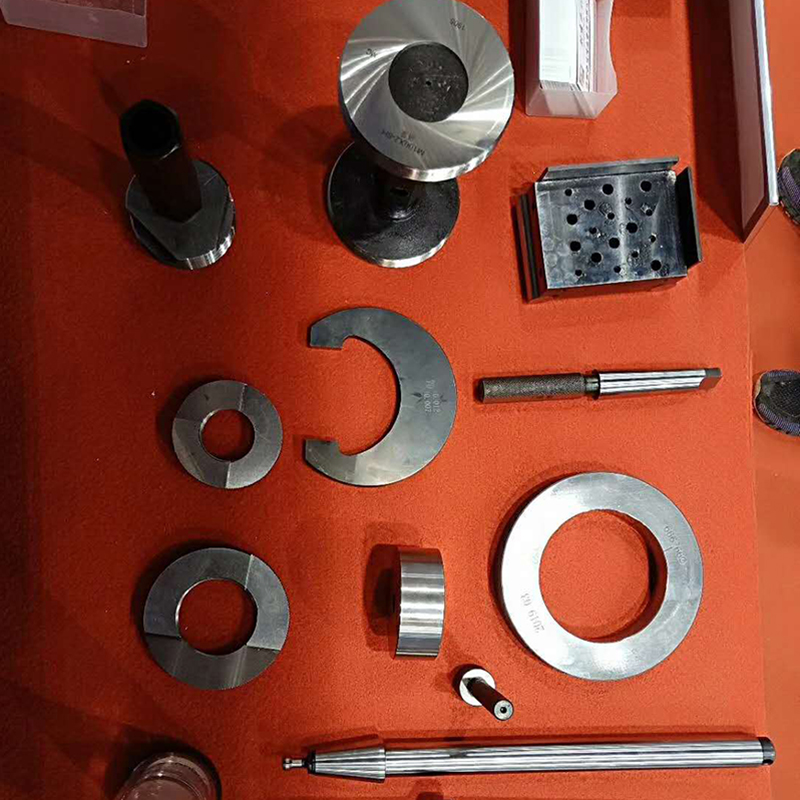
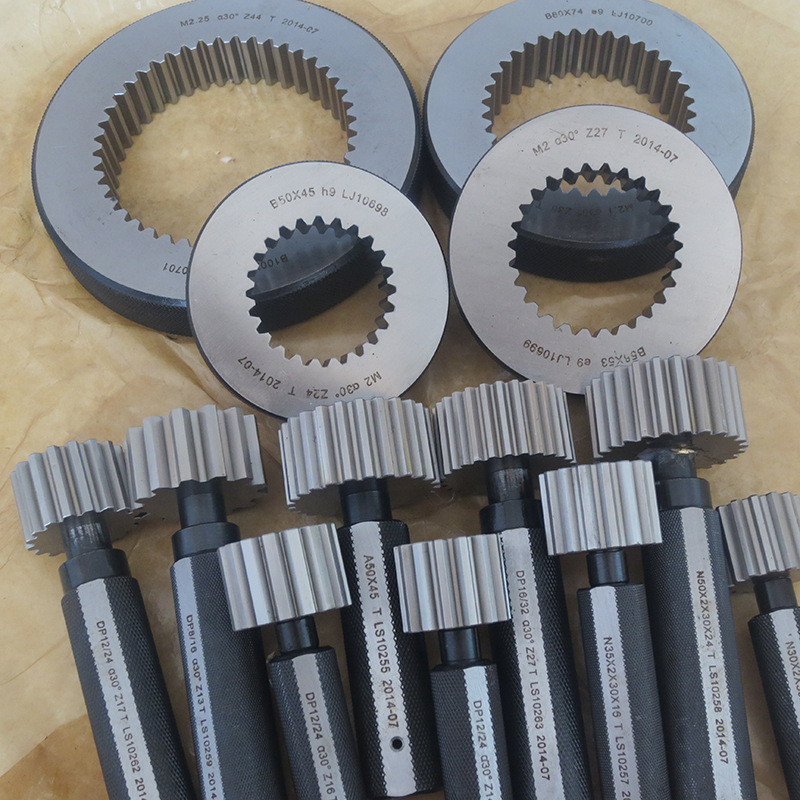
Understanding Ring Gauge Class An In-Depth Exploration The ring gauge class is a fundamental concept in the field of metrology, particularly concerning the measurement of cylindrical components and precision engineering. This measurement tool serves as an essential benchmark for assessing the dimensional accuracy of parts, including but not limited to shafts, rods, and various cylindrical pieces. By using ring gauges, manufacturers can ensure that components fit into assembly processes with the required level of precision, which is critical in industries ranging from aerospace to automotive. What is a Ring Gauge? A ring gauge is a specific type of gauge that is designed to measure the external diameter of cylindrical objects or the internal diameter of cylindrical holes. It is essentially a ring-shaped tool that can have different tolerances, ranging from loose fit to tight fit, depending on the intended application. The gauges come in two main varieties the “go” gauge and the “no-go” gauge. The go gauge is used to determine if a part is within the specified limits of size, while the no-go gauge ensures that a part does not exceed the maximum allowable dimensions. Importance of Ring Gauge Class The ring gauge class is crucial for several reasons 1. Precision and Accuracy In an era where precision engineering is paramount, ring gauges help ensure that every component meets strict dimensional tolerances. This helps in minimizing errors during the assembly process and contributes to overall product quality. 2. Standardization Ring gauges promote uniformity and comparability in measurements across various projects and industries. By adhering to established class standards, manufacturers can communicate measurements more effectively and reduce the chances of discrepancies. ring gauge class 3. Quality Control Utilizing ring gauges as part of a quality control system helps identify defects early in the manufacturing process. This proactive approach to quality assurance can save time and money by reducing scrap rates and the risk of warranty claims. 4. Ease of Use Compared to other measurement tools, ring gauges are relatively simple to use, making them accessible for various operators. Their straightforward design enables quick checks without the need for complex setups or calibrations. Types of Ring Gauges Ring gauges come in different classes based on the tolerance levels and the manufacturing standards used to produce them. The most commonly referenced standards are those established by the International Organization for Standardization (ISO) and the American National Standards Institute (ANSI). These standards dictate the permissible deviations from the nominal size, which are critical for ensuring compatibility between mated parts. 1. Class A and Class B These classes indicate different tolerance levels. Class A gauges have tighter tolerances and are used for high-precision applications. Class B gauges, on the other hand, have broader tolerances and are more suited for general-purpose usage. 2. Material Considerations Ring gauges can be made from various materials, with steel being the most common due to its durability and resistance to wear. Some high-precision applications may require gauges made from carbide or other specialized materials to enhance longevity and accuracy. Conclusion In conclusion, the ring gauge class plays a vital role in ensuring the precision and quality of cylindrical parts in manufacturing. By facilitating standardized measurements, ring gauges not only aid in maintaining the integrity of engineering processes but also enhance the reliability of final products. As industries continue to evolve and demand higher levels of precision, the significance of ring gauges and their classifications will undoubtedly grow, affirming their place as indispensable tools in the world of metrology and engineering. Therefore, understanding the nuances of ring gauge classes is essential for engineers, quality assurance personnel, and manufacturers alike, ensuring that every component meets the high standards set by today’s demanding industrial landscape.
-

High quality industrial productsagement

High quality industrial products
View Details -

Meet the diverse needs of customers

Meet the diverse needs of customers
View Details -

Strict quality control

Strict quality control
View Details -

Top raw materials

Top raw materials
View Details -

Trusted supplier

Trusted supplier
View Details
Our application


news and information
Vnitřní měřidlo průměru pro přesné měření trubkových a válcových otvorů
Interní měřidlo průměru Klíčový nástroj pro precizní měření Interní měřidlo průměru, známé také jako
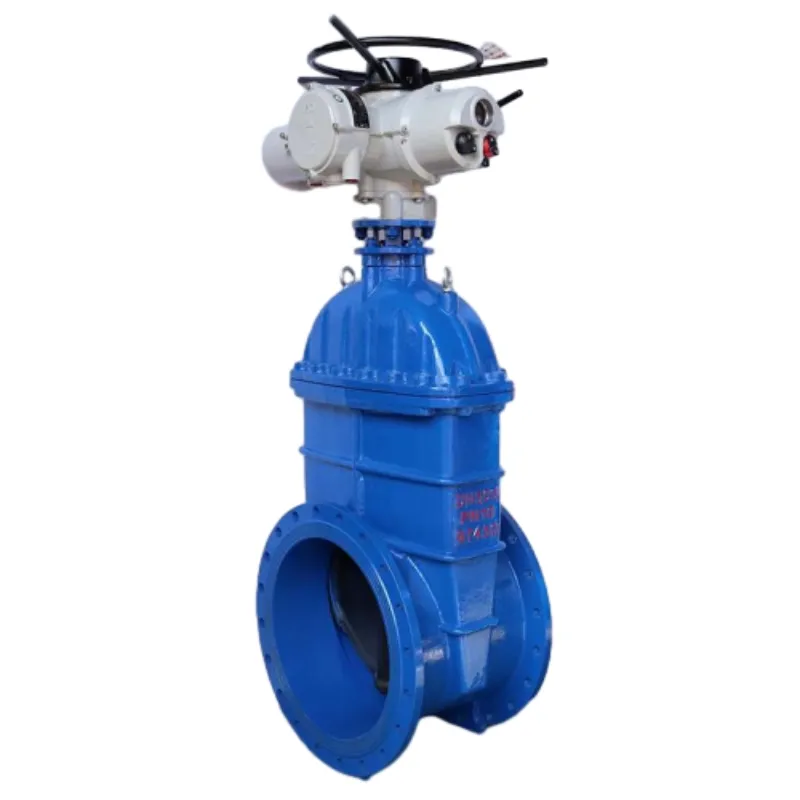
water globe valve
Understanding Water Globe Valves Design, Function, and Applications Water globe valves are essential

various types of control valves
Various Types of Control Valves Control valves are critical components in a range of engineering app
 English